
At our December event, Tom Coward, the head gardener at Gravetye Manor, presented an engaging and wonderfully illustrated talk about wild gardening at Gravetye, following in the footsteps of William Robinson.
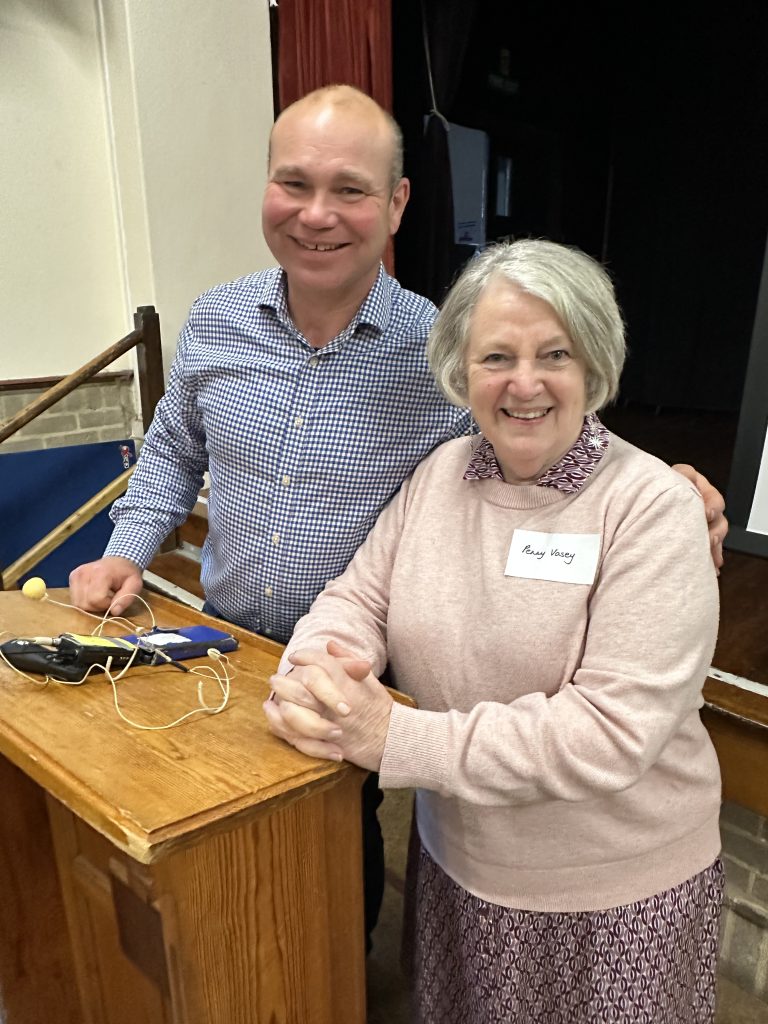
Tom came to Gravetye Manor from Great Dixter in 2010, at a time when the garden had gone into decline, and has since worked tirelessly with his team to develop the historic landscape, influenced by the original creator, William Robinson, who purchased Gravetye in 1884.
In his talk Tom shared his admiration for Robinson, ahead of time in many ways, and his own sense of privilege living and working in this garden. Gravetye is interesting for Tom because it has to be attractive to the hotel’s visitors, while conserving Robinson’s principles of naturalistic gardening.
As Tom explained, Gravetye ‘consumed’ William Robinson and it was here that his ideas for ‘wild’ planting could take hold. Although a contemporary of Gertrude Jekyll his name disappeared into obscurity after his death in 1935, and yet his style for herbaceous planting in drifts, rather than the traditional formal arrangements, continues to this day. Born in the mining village of Doonane, at the time of the Great Hunger in Ireland, Robinson began his gardening life when he set off at the age of ten to become a garden boy at the Waterford estate in Curraghmore. He would publish over 70 books, begin a journal for gardeners, The Garden – the first garden magazine to have colour illustrations – while his book The English Flower Garden written in 1883 brought new ideas to planting that radically changed the structured Victorian gardens. For Tom, all of Robinson’s ideals are encapsulated in Gravetye, in the woodland and meadows, the herbaceous borders and the unique ellipse-shaped kitchen garden.
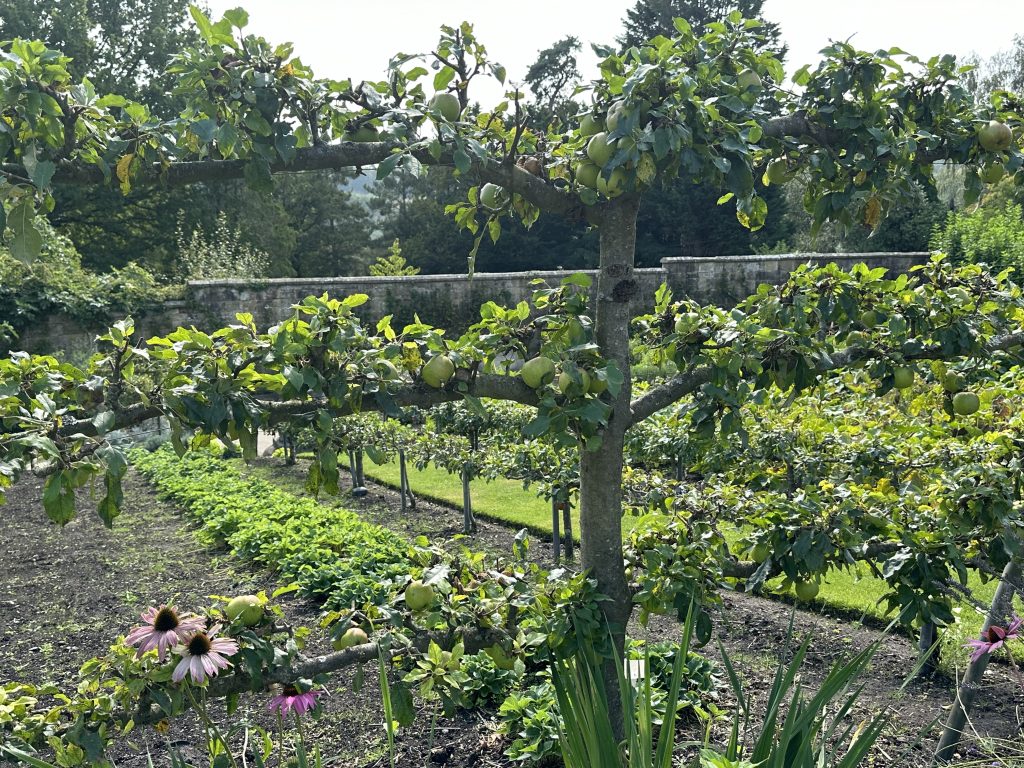
Several well-known artists were encouraged by Robinson to illustrate the garden, including Beatrice Parsons and Henry Moon, but today it is photography that can capture its atmosphere, and Tom took us on a visual tour of Gravetye, highlighting some of his favourites. In spring it’s the variety of species tulips, especially the red Tulipa hageri from Turkey and the white Tulipa turkestanica. These are followed by Wisteria floribunda ‘Shiro-nodo’ and in mid-summer the plum-coloured lupin ‘Masterpiece’
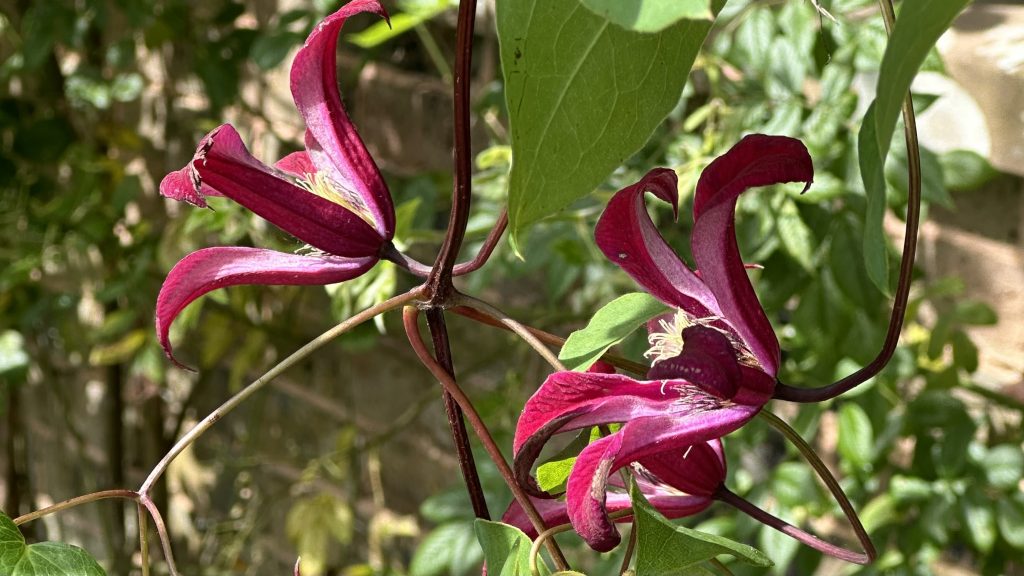
If he could only have one rose it would be Rosa ‘Paul McCartney’ and the clematis ‘Gravetye Beauty’ Tom recommends for any garden. He admitted to an obsession with growing Camassia leichtlinii and a passion for trees: ‘every garden has a responsibility for the treescape – even a tree in the wrong place is better than no tree at all.’ And the best time for planting a tree – fifty years ago, but as Tom said, it’s never too late.
Article by Sally Ingram