
The latest addition to our website is an Inventory of Sussex Parks and Gardens of Historic Interest, listing the research reports written by, or commissioned for, SGT since 1995. The SGT inventory is a record of parks and gardens that are not on the Historic England Register, but nevertheless have a significant history which is important to document.
All of these reports have been scanned by SGT volunteers, and although copyright and verification issues prevent some of the documents from being accessible on the website, a copy can be sent on request to anyone interested in the history of a particular site. Where a complete report has been added to the website a link is provided in the Inventory catalogue.
The extensive range of the collection includes detailed studies of renowned medieval deer parks such Denne in Horsham, shorter accounts of lesser-known gardens and snippets from archives, such as a sepia photograph of the Moat House at Plumpton dated 24 August 1910. In studies where the archival resources have been scant, the evidence might be a few pencilled pages and copies of maps, or a number of photographs taken on site, but even these small collections can be valuable pieces of the jigsaw to refine later research findings.
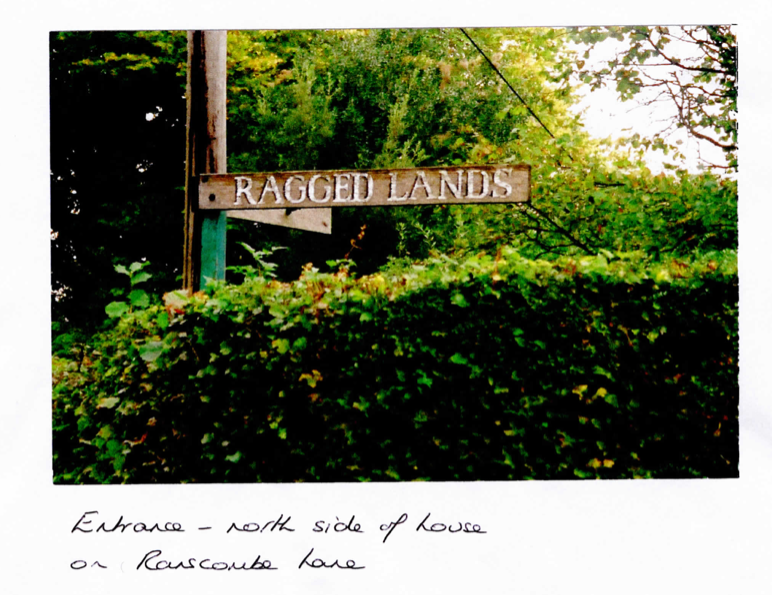
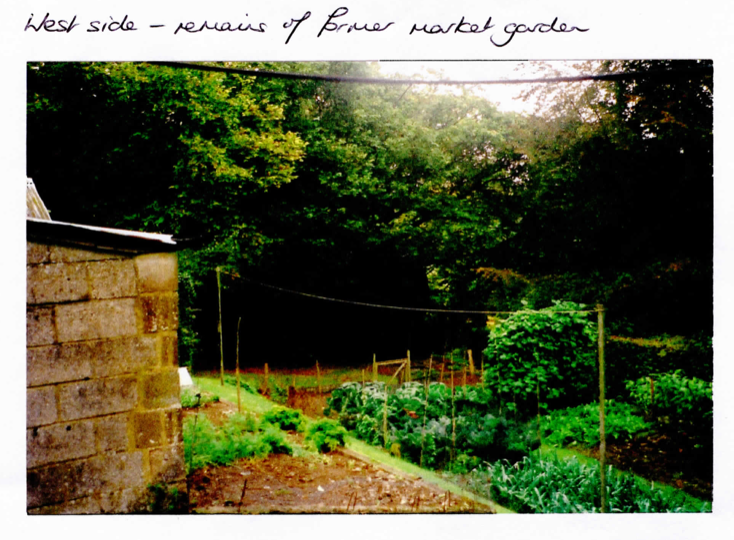
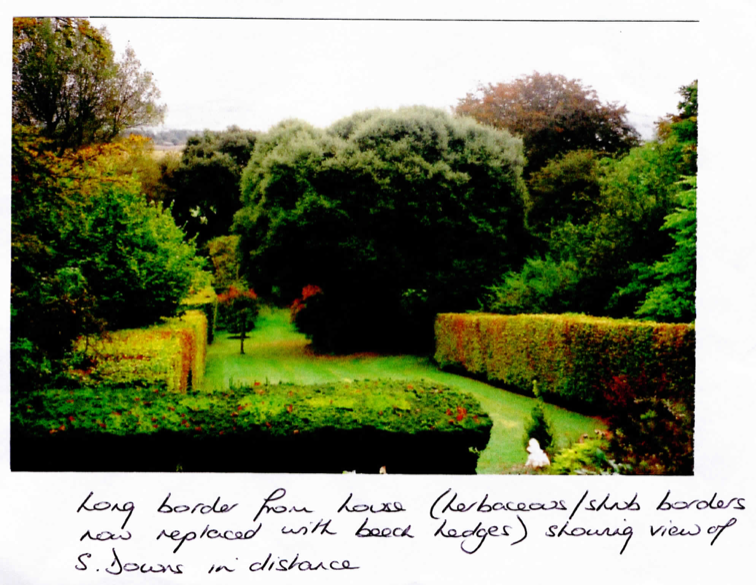
One particular set of photographs, which came to light when delving into the Inventory, was taken for SGT by Diana Crook, the author of Ragged Lands, an account of the gardening school for women, started by Frances Wolseley at Glynde in 1905. The land passed into private hands when the school ended, and these colour photos taken on site by Crook in 2000 create an interesting addendum to the later research into the school, which featured in the recent SGT Journal.
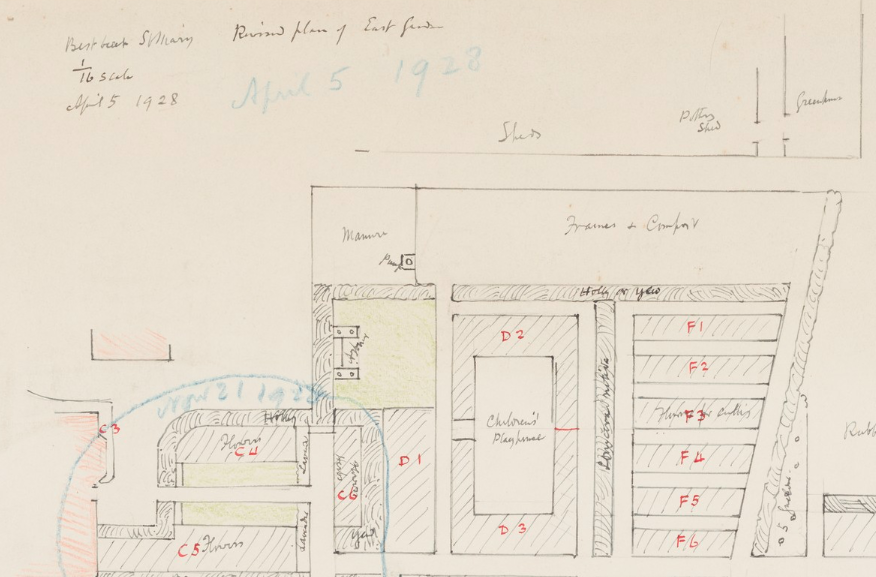
Perhaps most striking within the SGT research documents are the changes in technology that have increased the possibilities for recording and disseminating research findings. In the early 2000s reports were often recorded by hand by the researcher who then kept their own copy. Ordnance survey maps, garden plans and drawings were rarely available electronically and had to be photocopied, or even hand-drawn. Contemporary newspapers were unavailable online, and could only be copied from microfiche readers with variable results. An example of how recording from archival sources has changed can be seen in the report of Bestbeech St Mary, near Wadhurst, one of a series of reports commissioned by SGT and compiled by Dr Barbara Simms. The owners of Bestbeech had sought Gertrude Jekyll’s advice on the laying-out of the gardens in 1926 but, at the time of the research, the vast collection of drawings was only available on microfilm or as photocopies at Godalming Museum which although useful, were not clear. The report of 2005 relies on these black and white copies, which had to be presented in sections, to illustrate Jekyll’s designs.
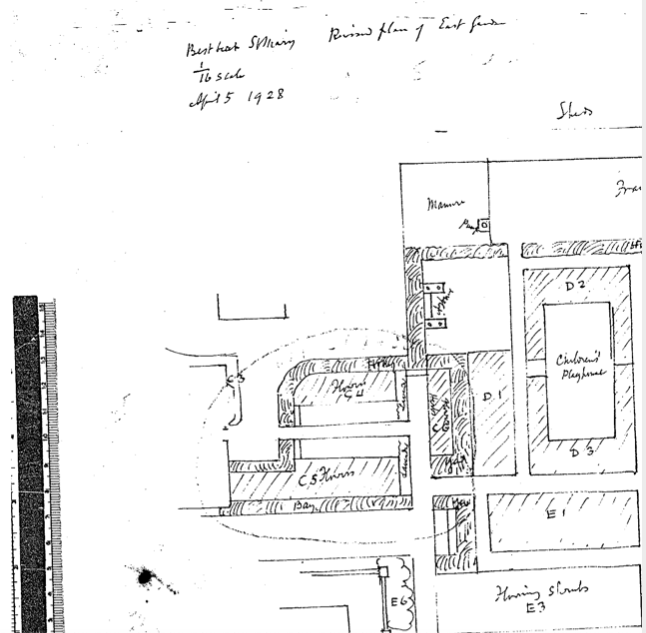
Then in 2018 SGT was part of a project to have all of Jekyll’s documentation relating to Sussex digitised and made available online, allowing further studies of Jekyll’s work to show her intricate drawings in close-up, revealing the annotations in coloured pencil and even to examine the collection of letters from the garden owners to Jekyll.
The rapid development in technology has transformed access to archives, making landscape research by organisations like County Garden Trusts (CGTs) more widely available, and offering different ways to raise awareness of historic parks and gardens. Social media platforms like Instagram can be brilliant for reaching new audiences, promoting the work of the CGT, interacting and building valuable networks with organisations or seeking answers to questions. We now have over 200 followers on our Instagram account, and the diverse audience is growing as we continually think of creative ways to share our research findings, beyond the pencil and paper!
Sally Ingram