
Some recent publications on garden history
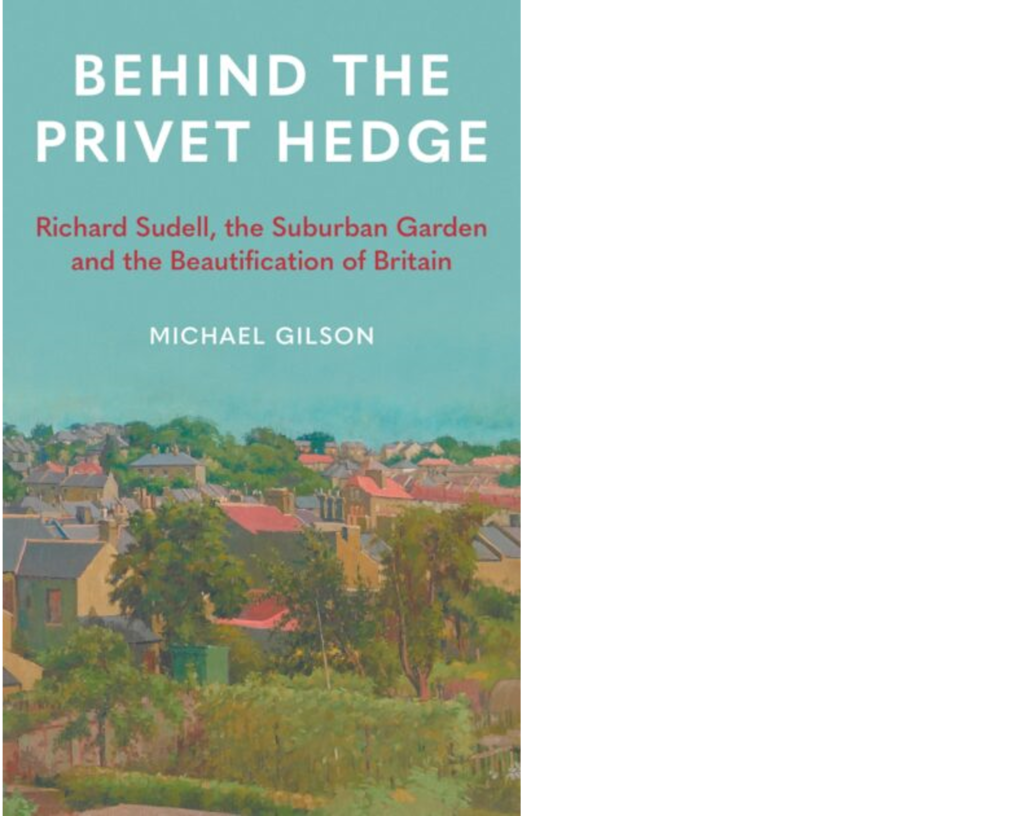
Behind the Privet Hedge: Richard Sudell, the suburban garden and the beautification of Britain
Michael Gilson (Reaktion Books, May 2024)
Behind the Privet Hedge: Richard Sudell, the suburban garden and the beautification of Britain is not just about the development of suburbia, nor just about how Britain came to be called a nation of gardeners, and not even just about the Richard Sudell of the subtitle. Rather it is about concepts such as community, beauty and individualism in the use and planning of private and public green spaces as part of social change in the early twentiethcentury.Throughout, author Michael Gilson contextualises his hero’s setbacks and achievements by detailed reference to the social, economic, horticultural and garden history of the interwar period, as well as the network of Christian socialists and politicians, such as Alfred and Ada Salter in Bermondsey, and Clifford and Marjory Allen, who were determined to improve people’s lives through new homes and gardens and the beautification of local spaces. The publication is a lively and compelling read based on archival evidence, contemporary letters, committee reports and newspaper articles, as well as personal observations and recollections, together with selections from the prodigious garden writings of the author’s hero, Richard Sudell. Michael Gilson’s book is an entertaining but thought-provoking account of the meaning of the suburbs to those who moved there in the 1920s to the 1950s and a highly recommended read for those interested in the garden and landscape history of the twentieth century.
Review by Dr Barbara Simms
Michael Gilson is our guest speaker for the SGT event on Sunday 13 April at Field Place, Durrington, Worthing. This event is open to all – check the Events page on this website for updates.
Reviews in brief
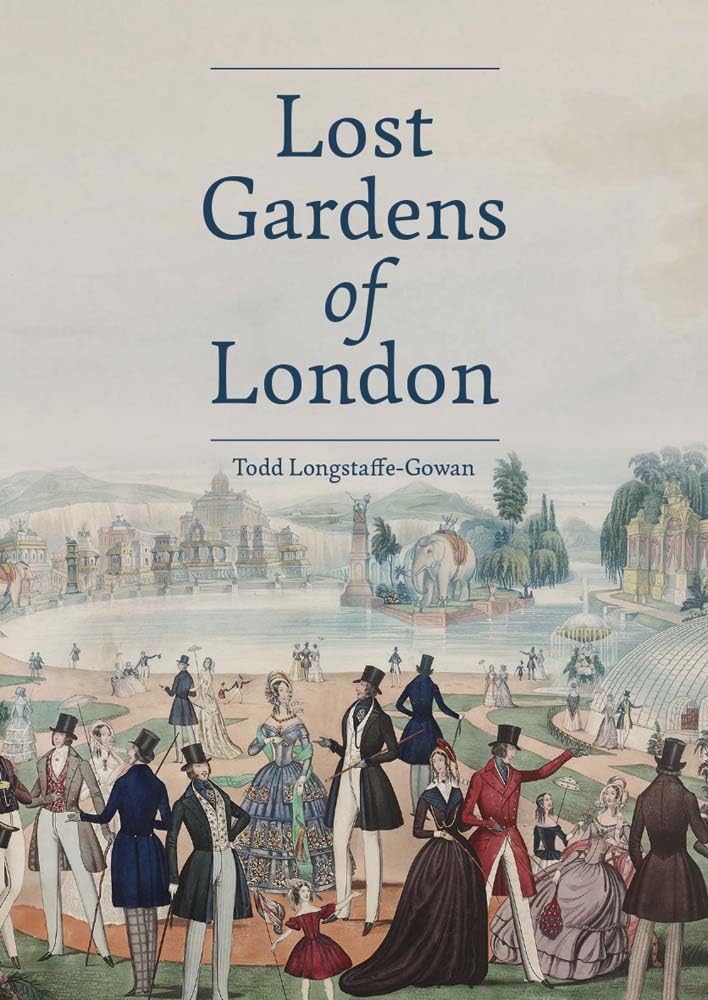
The Lost Gardens of London
Todd Longstaffe-Gowan (Modern Art Press, October 2024).
Todd Longstaffe-Gowan considers gardens from the sixteenth to the twenty-first century, ranging from allotments and gardens behind terraced houses to London’s lost squares, amateur botanical gardens and aviaries, the pleasure grounds, artists’ gardens and private menageries – gardens that either no longer exist or are unrecognisable today. Illustrated with watercolours, coloured engravings and photographs, the author reveals many of the rich and varied gardens of the Metropolis that have been forgotten. The book accompanies an exhibition at the Garden Museum, London, now open until 2 March 2025.
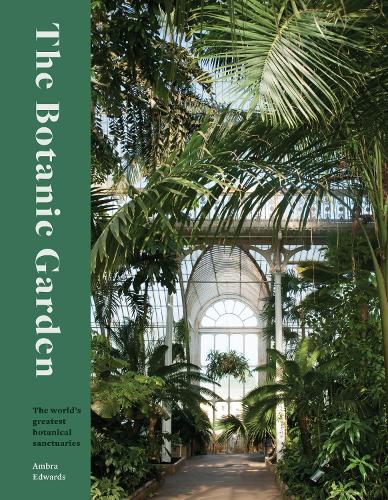
The Botanic Garden: The World’s Greatest Botanical Sanctuaries
Ambra Edwards (Frances Lincoln, September 2024)
In this beautifully illustrated book Ambra Edwards examines the history, collections and various uses of botanical gardens across the world, in this celebration of botanic gardens, discovering the rich diversity of plants including ferns, trees, cacti and orchids. As well as being inspiring places to visit these gardens have a crucial role to play in sharing knowledge, research and collaboration on a global scale, which the author skilfully uncovers.
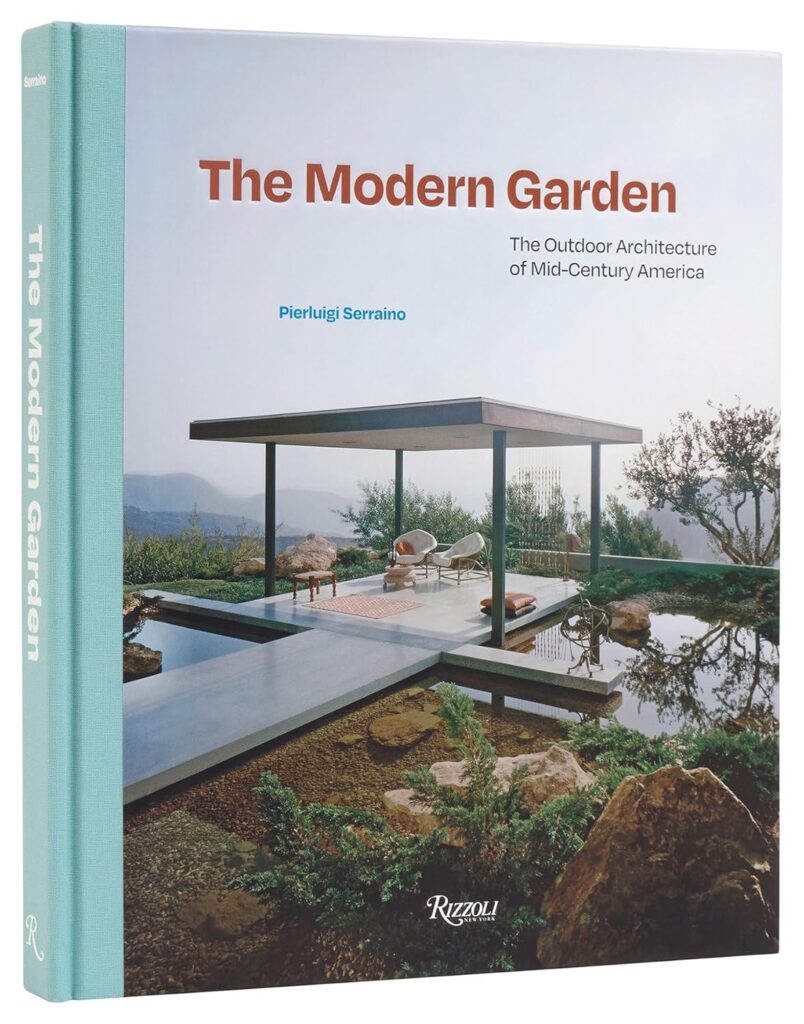
The Modern Garden: The Outdoor Architecture of Mid-Century America
Pierluigi Serraino, (Rizzoli International Publications, October 2024)
In the mid-twentieth century the idea that ‘gardens are for living in’ came to the fore, when the modern garden was seen by landscape architects as a roofless extension to the house, or an additional room outside for use by all the family. It was a notion made popular in this country by garden designers such as John Brookes, with his book of 1969, The Room Outside, and, more extensively, in North America by landscape architects including Thomas Church, Lawrence Halprin and Garrett Eckbo. Illustrated with many previously unpublished photographs The Modern Garden features several of these striking modernist American landscapes, with an invitation from the author to ‘see and appreciate space … so as to reengage us in the physical world’.
Reviews by Sally Ingram