
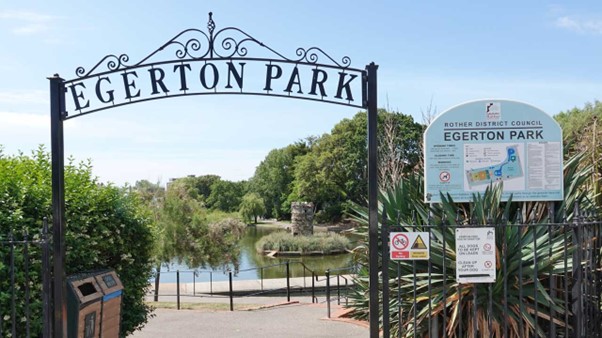
SGT began this project in 2013, researching and recording the designed parks and gardens along the Sussex coast, to improve local knowledge and understanding of these special sites and so help shape their future management. The records of all the sites researched are currently listed on our website with headline details.
After analysing all the information collected from the researchers, each site record is written, following the format used by Historic England for assessing national sites. In March this year some of our researchers went to The Keep in Brighton to meet the Historic Environment Officer and to hear about the East Sussex Historic Environment Record (ESHER). This is a record of historic buildings, such as Anne of Cleves House, landscapes, and parks and gardens, for example Sheffield Park. HER records contain information gathered by local societies, documentary evidence and research projects undertaken by students, professional researchers and interested amateurs, even chance finds from members of the public when for example, walking their dogs.
The main purpose of ESHER is for planning and development control, but it is also of value to research students, local historians and archaeologists and for the general public who might be interested in finding out about a particular landscape or historic site.
The HER officer for East Sussex has now provided reference numbers for all of our coastal site records and this means that the full reports will soon be available both on the SGT website and on the HER. Each site will have a boundary map and a google earth map marked with our site boundary drawn by the HER.
At present HER reports for historic gardens and parks are considerably less than the total HER records so these are early days, but nevertheless research carried out by organisations such as CGTs is making an important contribution.
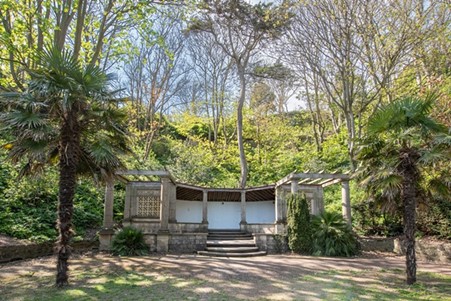
Top image: Eastbourne – the Italian Gardens, an Italian-style pleasure garden typical of the interwar period